

body mirror with lights
Understanding Machinist Gauge Pin Sets A Comprehensive Guide In the world of precision engineering, accuracy is paramount. One of the tools that play a critical role in achieving this precision is the machinist gauge pin set. These sets include a series of hardened steel pins, each with a specific diameter, which are used for measuring, setting, and checking the dimensions of various components. This article delves into the significance, usage, and benefits of machinist gauge pin sets in machining and manufacturing processes. What Are Gauge Pins? Gauge pins are cylindrical pins made from high-quality materials, typically steel, designed to provide accurate measurements. They can be non-tapered or tapered and are often categorized as go and no-go pins. The go pin is used to check whether a hole meets the minimum size requirement, while the no-go pin checks that the hole does not exceed maximum size specifications. This dual checking mechanism helps ensure that parts conform to strict tolerances, which is essential in applications that require high accuracy. Importance of Accuracy in Machining Machining processes, including turning, milling, and grinding, often require parts to fit together with tight tolerances. Even slight deviations can lead to malfunctions or failure of mechanical systems. Therefore, machinists must have reliable tools at their disposal to verify the dimensions of both the workpieces and the fixtures they are using. Gauge pin sets serve this purpose beautifully, offering reliable and reproducible measurements that enhance manufacturing efficiency and product quality. Features of Machinist Gauge Pin Sets Most machinist gauge pin sets come in either a standard metric or imperial measurement system. They typically include a range of sizes, allowing for versatility in applications . High-quality gauge pins are usually made from tool steel, ensuring that they are robust and wear-resistant. Additionally, they are ground to precise tolerances and often have a corrosion-resistant coating to enhance durability. machinist gauge pin set Gauge pins are also easier to use than many other measuring instruments. They can be simply inserted into holes or slots to test them, and their tactile feedback provides instantaneous verification of sizes. This simplifies the inspection process and helps to increase productivity on the shop floor. Applications of Gauge Pin Sets Machinist gauge pin sets are widely used in various industries, including automotive, aerospace, electronics, and medical device manufacturing. They are applicable in processes such as 1. Hole Inspection Verifying hole sizes in machined parts to ensure they fit assembly requirements. 2. Fit Testing Ensuring that components fit together as intended, especially in critical applications like engine assembly. 3. Quality Control Regular inspection of tools and fixtures to maintain system integrity and compliance with standards. Benefits of Using Gauge Pin Sets The use of machinist gauge pin sets offers several advantages. Firstly, they facilitate rapid inspection, reducing downtime and extending productivity. Secondly, they contribute to quality assurance, ensuring that parts meet the required specifications before they reach the customer. Lastly, the consistent use of gauge pins fosters a culture of precision in manufacturing settings, helping teams adhere to best practices. Conclusion In conclusion, machinist gauge pin sets are indispensable tools in modern manufacturing and machining processes. Their ability to provide accurate measurements and facilitate quality control makes them essential for achieving high standards in production. As industries continue to evolve, the reliance on precision measurement tools like gauge pin sets will only grow, ensuring safety, efficiency, and functionality in the components we use daily. Investing in a high-quality machinist gauge pin set is a step towards upholding engineering excellence and achieving superior results in any machining endeavor.
about
body mirror with lights
Understanding Gate Valve Pressure A Comprehensive Overview Gate valves are critical components in various industrial applications, especially in the oil and gas, chemical, water treatment, and power generation sectors. One of the key aspects of gate valve performance is their pressure rating, which determines their ability to withstand fluid pressure without leakage or failure. In this article, we will explore the concept of gate valve pressure, the factors influencing it, and the implications of pressure ratings in practical applications. What is Gate Valve Pressure? Gate valve pressure refers to the maximum pressure that a gate valve can safely handle while maintaining its integrity and functionality. Each gate valve is designed and manufactured to specific standards, often based on the material used, size, and intended application. The pressure rating is typically expressed in pounds per square inch (PSI) or bar and is a critical parameter in the selection and application of the valve. Importance of Pressure Ratings Pressure ratings are essential for several reasons 1. Safety Knowing the pressure rating of a gate valve ensures that it can handle the expected operating conditions without risk of failure, which could lead to catastrophic failures, leaks, or environmental hazards. 2. Performance Operating a valve beyond its rated pressure can significantly affect its lifespan and operational efficiency. High pressures can lead to increased wear and tear, causing premature failure. 3. Compliance Many industries are governed by strict safety regulations. Using valves that meet or exceed the required pressure ratings is often a legal obligation. Factors Influencing Gate Valve Pressure Ratings Several factors can influence the pressure ratings of gate valves 1. Material Composition The materials used in the construction of a gate valve play a crucial role in determining its pressure rating. Common materials include stainless steel, cast iron, and bronze. Each material has specific strength characteristics under pressure. gate valve pressure 2. Size and Design The diameter and overall design of the valve can affect its ability to withstand pressure. Larger valves may have lower pressure ratings compared to smaller valves due to differences in structure and support. 3. Temperature High temperatures can weaken materials, reducing their pressure handling capabilities. It is crucial to consider both operating pressure and temperature when selecting a gate valve. The pressure rating often decreases at elevated temperatures. 4. Manufacturing Standards Various standards, such as ASME (American Society of Mechanical Engineers) and API (American Petroleum Institute), dictate the testing and certification processes for valves. Valves manufactured to higher standards are typically rated for higher pressures. Applications of Gate Valves and Their Pressure Ratings Gate valves are commonly used in applications requiring a full flow of fluid and minimal pressure drop. Some common applications include - Oil and Gas Pipelines In the oil and gas industry, gate valves control the flow of hydrocarbons. The high-pressure environments in which they operate necessitate valves with robust pressure ratings to prevent leaks and ensure safety. - Water Distribution Systems Municipal water supplies rely on gate valves to regulate flow and isolate sections of the system for maintenance. The pressure ratings of these valves must meet or exceed the maximum operating pressure of the distribution system. - Chemical Processing In chemical plants, gate valves are used to control corrosive and high-pressure fluids. Selecting valves that can withstand both the chemical composition and pressure is crucial for safety and efficiency. Conclusion Understanding gate valve pressure is vital for engineers, operators, and maintenance personnel across various industries. The pressure rating is a key factor in ensuring safety, performance, and regulatory compliance. By taking into account the material, size, temperature, and applicable manufacturing standards, professionals can make informed decisions when selecting gate valves for their specific applications. This not only enhances system integrity but also contributes to operational efficiency and safety in effectively managing fluid systems. In an era where industrial safety and performance are paramount, the significance of understanding gate valve pressure cannot be overstated. As technology advances and industries evolve, the demand for reliable and robust gate valve solutions will continue to increase, underscoring the need for ongoing education and awareness in this critical field.
-

High quality industrial productsagement

High quality industrial products
View Details -

Meet the diverse needs of customers

Meet the diverse needs of customers
View Details -

Strict quality control

Strict quality control
View Details -

Top raw materials

Top raw materials
View Details -

Trusted supplier

Trusted supplier
View Details
Our application



news and information

Y-Shaped Strainer for Efficient Liquid Filtration Solutions
y shaped strainer .
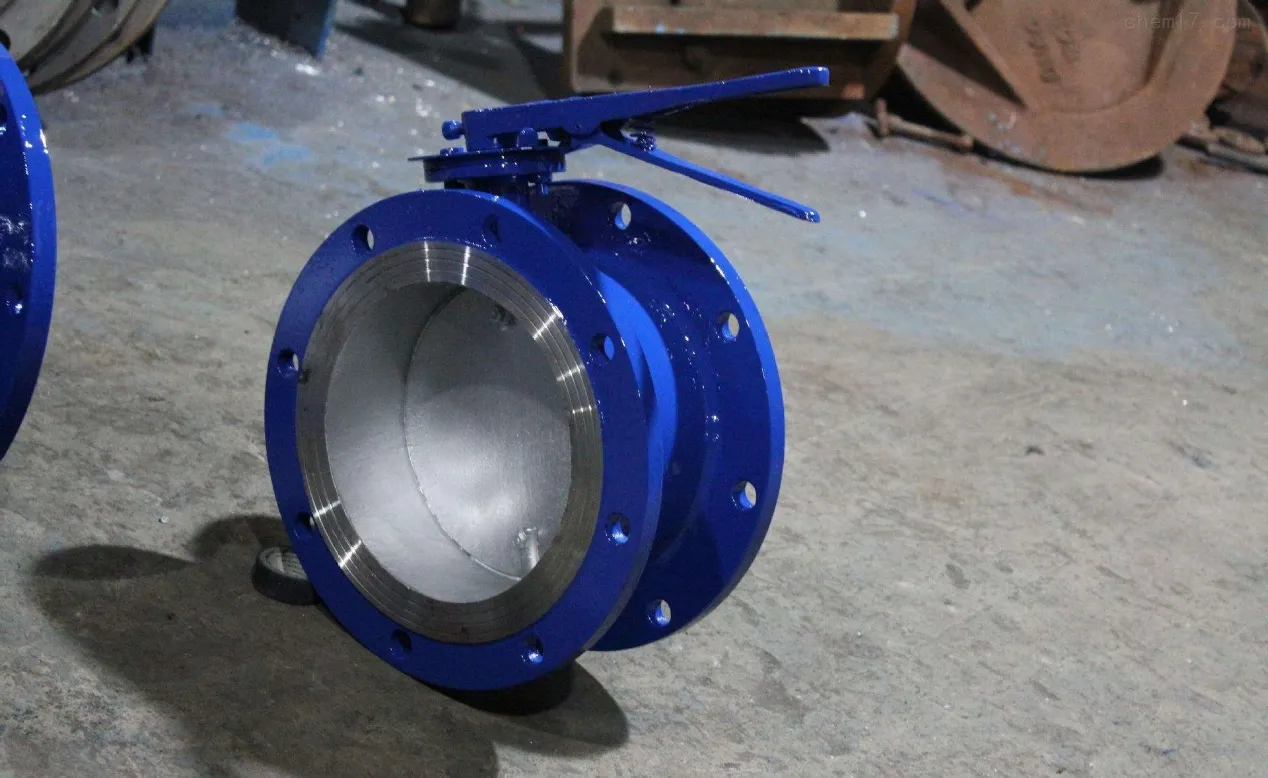
water check valve 3 4
Understanding Water Check Valves The Importance of Models 3 and 4 Water check valves are essential c

Válvula de mariposa de 1200 mm para aplicaciones industriales y de control de flujo
Válvula de Mariposa de 1200 mm Eficiencia y Aplicaciones en la Industria La válvula de mariposa es u
 English